
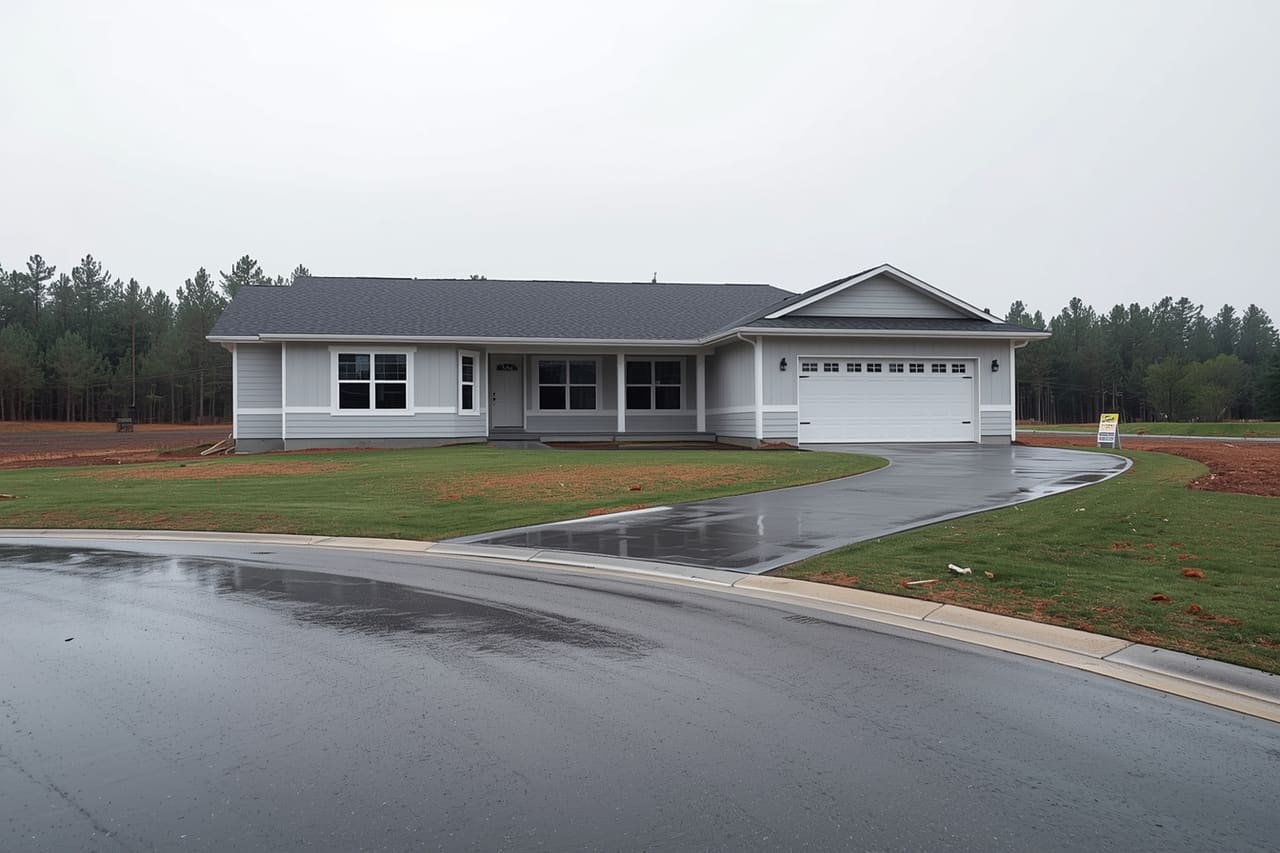
Hardeeville sits at the southern end of South Carolina, on the road between Savannah and the Lowcountry resorts. In recent years the city has seen subdivision after subdivision go up across what was pine forest and farmland. Between those neighborhoods are wetlands and drainage corridors, and the whole area is flat. A house here usually has more in common with a Pooler or Bluffton house built the same year than with a cottage from the old town.
New houses, tight houses
A new house is built tight, with spray foam or batt insulation and a sealed envelope. That is good for energy bills and demanding for the HVAC, which has to remove moisture as well as cool the air. If the system is oversized, it cools the rooms quickly and shuts off before it has pulled out the humidity, leaving a house that feels cold and clammy. Signs include a damp feel in a bedroom, mildew in a closet, water on windows in the morning and spots on the ceiling around vents. A technician can check equipment sizing and airflow, and a mold inspection can look at what the moisture has touched.
Where the water comes from in a slab home
Plumbing lines run under or inside the slab, in walls and through the attic. Common failure points are water heater connections in garage closets, supply lines under sinks and ice maker lines behind refrigerators. A plastic supply line can fail with no warning and run for hours. Shut-off valves at each fixture and a main shut-off you can find in the dark limit the damage. After a break, call about burst pipe water damage cleanup quickly: standing water in a slab house flows under flooring and into wall bottoms.
Grading, ditches and ponding
Master-planned communities use ponds and swales to handle storm water. Right after a build, grass is thin and the soil has not settled, so water may pool near foundations or in side yards. Over time the grade can shift. If you see water standing next to a wall for more than a day after rain, or find damp drywall low on an exterior wall, grading or a downspout discharge is often the cause. Extend downspouts away from the house and keep swales clear.
Builder issues and what to do about them
Newer homes sometimes come with a builder's coverage, which may have conditions and deadlines. Read that paperwork, report moisture problems in writing and keep photos with dates. Whether a particular repair falls under a builder's obligations is a legal and contract matter for an attorney or the builder, not a restoration crew.
Hurricanes and inland flooding
Hardeeville is inland from the coast but still close enough that tropical storms bring heavy rain, and land near the Savannah River and the New River has real flood exposure. Tropical Storm Debby in August 2024 brought flooding to parts of the region. Check your flood zone and your policy; flood insurance is separate, and homeowners policies often exclude it. After a storm, follow the EPA advice to dry wet materials within 24 to 48 hours. See water damage restoration and storm damage restoration.
Hiring for the job
- Ask for the scope in writing before work starts.
- Ask for proof of liability insurance and for verifiable training credentials, since South Carolina does not license mold work.
- Ask for the contractor's state license number for any rebuild work.
- Ask how many days equipment will run and how drying will be confirmed.
Nearby
Bluffton is the closest big neighbor to the east. For an older, lower and wetter place near Savannah, read about Garden City.