
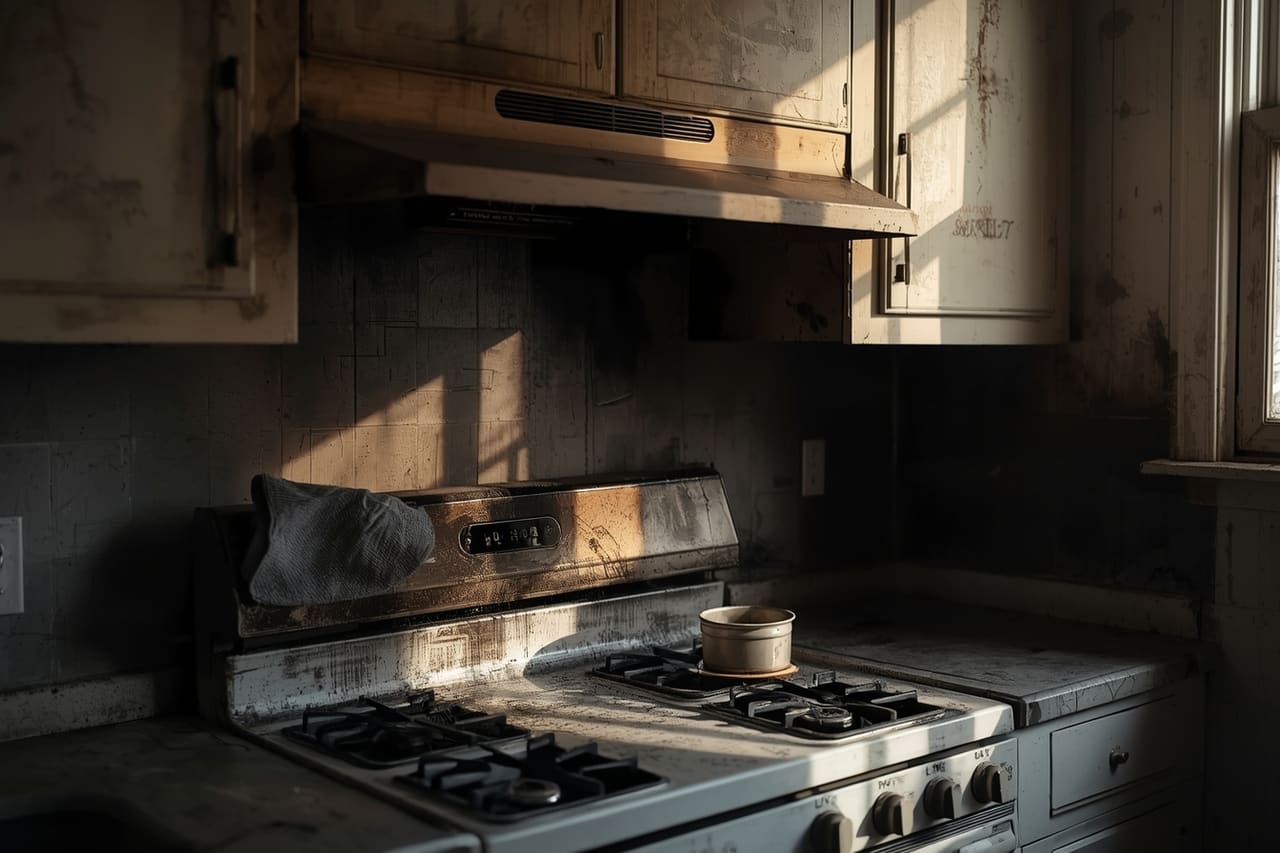
Even a small kitchen fire spreads smoke through an entire house, and the water used to stop a larger one soaks walls, floors and the rooms below. In humid Lowcountry weather, that wet structure can start to grow mold within a day or two, so fire cleanup and drying belong together. Fire in an attic, an electrical fire inside a wall or a storm-related strike all leave their own patterns, and the work should start with an honest look at what burned, what got wet and what only smells.
First steps
- Do not go back in until the fire department says it is safe. Structural damage, hot spots and hazardous residue are real concerns.
- Call your insurer and ask what they need. Many policies cover temporary housing while the house is unlivable.
- Do not turn on the HVAC if smoke is in the house, because it spreads soot through the ducts.
- Do not try to wash walls or wipe soot with household cleaners. Smearing soot makes staining worse.
- Take photos of damage before cleanup begins, and list damaged belongings.
- Keep the power and gas off until they are inspected.
- Protect valuables and papers, and take important documents, medicines and keys with you.
Types of residue
Not all smoke is the same, and cleaning methods depend on what burned.
- Dry smoke from fast, hot fires of paper and wood leaves a powdery soot that wipes away more easily.
- Wet smoke from slow, smoldering fires of plastic and rubber leaves a sticky, smeary residue with a strong smell.
- Protein residue from a kitchen fire is nearly invisible but leaves a strong odor and can discolor paint and varnish.
- Fuel or electrical fires leave their own residues, and professionals decide how to handle them.
Soot is acidic and tends to etch metal, glass and finishes if left alone. The sooner it is cleaned, the better the result.
What cleanup involves
1. Safety and board-up. Openings are secured and the structure is checked.
2. Water removal. If water was used, the house is dried as described in water damage restoration. Waiting on drying invites mold.
3. Soot removal. Dry sponges, HEPA vacuums and specialty cleaners remove soot from ceilings, walls and surfaces, working from the top down. Fixtures, flooring and contents get their own methods.
4. Cleaning the HVAC and ducts. If the system ran or smoke entered the ductwork, the ducts, coils and filters need attention.
5. Odor control. Real odor removal addresses the source: remove burned material, clean residues, seal surfaces that hold smell and, where needed, use thermal fogging or hydroxyl or ozone treatments in a controlled setting. A deodorizer sprayed on top is temporary.
6. Rebuild. Burned drywall, framing, insulation and flooring are replaced. See repairs after water damage for what rebuild involves, since much of it is the same.
Contents
Belongings are sorted into what can be cleaned, what needs specialty cleaning and what is lost. Clothing, soft goods, electronics, documents and photos are common concerns, and some can be restored off-site. Contents pack-out covers moving and storing items while the house is repaired.
Older homes and fire
Older Savannah and Beaufort homes may have plaster, old wiring and materials with lead paint or asbestos. Demolition and heavy cleaning can release particles, so ask the crew how they handle those materials before anything is torn out. For historic exteriors, check with the city's historic preservation office before changing anything visible from the street.
Mold risk after a fire
A house that took firefighting water, then sat closed in summer heat, is set up for mold. Check ceilings below the fire, wall bases, closets and the underside of flooring. If you find growth, see mold removal.
Who to ask
Ask the crew for a written scope, how they handle soot and odor, who is responsible for contents, and how drying will be documented. Rebuild work generally requires a state contractor license in Georgia and South Carolina, so ask for the license number and check it with the Georgia State Licensing Board for Residential and General Contractors or the South Carolina Department of Labor, Licensing and Regulation. Ask for proof of liability insurance too. Read your policy or ask your agent about what coverage applies, and keep receipts for temporary housing and emergency purchases.